Only regret that deep love cannot recognize the kite Plot…
Cain Black, Alpha of the vengeful Black Tribe, forces Mia—the last Alpha daughter of the fallen White Tribe—into a political marriage. But he’s obsessed with 'Violet,' a mysterious savior from his childhood, unaware she stands before him: hated, imprisoned, and framed by a jealous rival. As truth and betrayal collide, will love survive revenge—or be buried beneath it?
Characters
Cain Black
Alpha of the Black Tribe; driven by vengeance for his father's murder; haunted by memories of 'Violet'; emotionally guarded and ruthlessly authoritative.
Lucian
Deceased Alpha of the White Tribe; killed Cain's father; Mia's father; referenced as a figure of betrayal and ancestral conflict.
Lydia
Longtime confidante and romantic rival; waited ten years for Cain; manipulative, envious, and willing to sabotage Mia using lies, theft, and sexual slander.
Mia
Alpha daughter of the fallen White Tribe; secretly 'Violet', the girl who saved Cain as a child; bears a violetshaped birthmark; dignified, resilient, and morally grounded despite persecution.
Synopsis
The story opens with Cain’s traumatic childhood: his father’s murder by White Tribe Alpha Lucian, his narrow escape, and rescue by a girl named Violet—whose violet-shaped birthmark and sacred relic become lifelong anchors for him. Ten years later, Cain returns as a ruthless Alpha, having unified the North under the Black Tribe. His victory over the White Tribe is absolute—yet incomplete, because Violet remains missing. When the Elder Council mandates his marriage to Mia, Cain sees only a symbol of conquest and betrayal—not recognition. He publicly degrades her, renames her 'Violet' mockingly, and declares her a slave despite her ceremonial status as Luna. Mia, though politically powerless, possesses quiet strength: she refuses to beg, rejects false accusations, and clings to truth—even when Lydia plants evidence, manipulates servants, and orchestrates sexual slander. Key tensions escalate through layered misunderstandings: Mia’s possession of the sacred relic (which she received from young Cain) is misread as treason; her birthmark—hidden by potion—is culturally taboo in the Black Tribe, deepening Cain’s subconscious dissonance; and her repeated declarations ('I am Mia. I am not the person you’re looking for.') go unheard. Their dynamic shifts subtly during forced proximity—Cain notes her scent, her resemblance to his memory, and reacts viscerally to her defiance—hinting at buried recognition. Lydia’s venomous schemes (imprisonment, public shaming, threat of sexual violence) expose the fragility of tribal unity and the gendered brutality of postwar power. Mia’s resilience isn’t passive: she questions Cain directly, challenges his assumptions, and asserts her lineage even in chains. The central tragedy is epistemic—neither can see the other clearly, blinded by grief, propaganda, and inherited hatred—while the relic, the birthmark, and the moon goddess ritual all quietly testify to a bond older than war.
The gown arrives wrapped in plain silk—stitched with silver thread, lined with coarse wool. It’s his most treasured possession. Not for ceremony. Not for politics. For her. The girl whose name he whispers in his sleep—Mia—the one whose face blurs at the edges of memory, but whose voice still catches in his throat when she speaks.
She stares at it like it’s a weapon. Because it is. Lydia planted the lie first: She forced me to steal it. She said she’d be Luna the moment she wore it. Cain doesn’t ask Mia. He knows. Or thinks he does. His voice cracks like dry earth: “Do you think putting on this gown makes you capable of replacing her?”
Mia doesn’t flinch. She lifts her chin, voice quiet but unbreakable:
“I am Mia. I am not the person you're looking for.”
He hears the words—but not the truth behind them. Not yet.
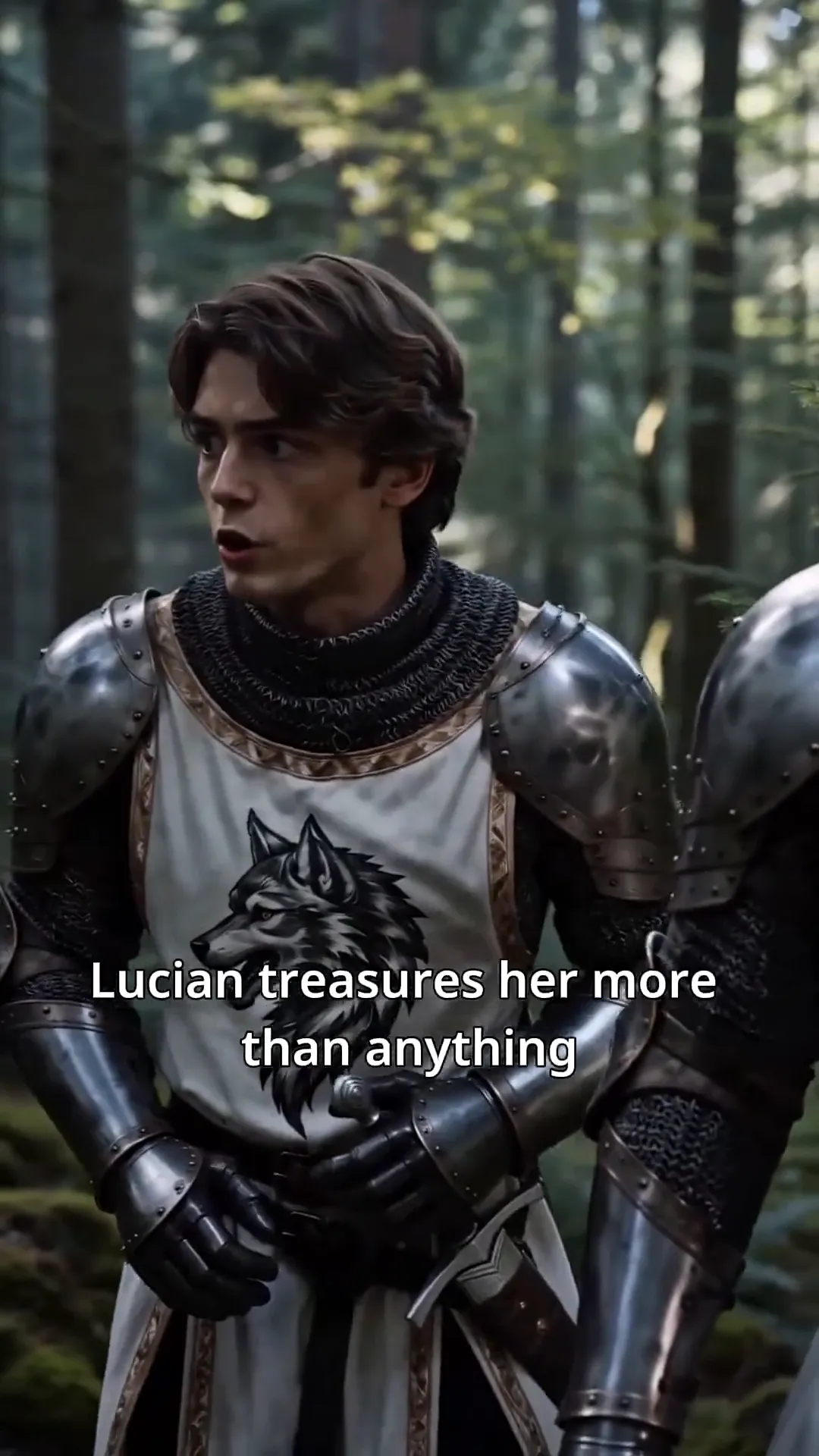
The Birthmark Beneath the Potion
In the Black Tribe, birthmarks are forbidden. Ill-omened. So Mia rubs the bitter-smelling potion onto her neck each dawn—hiding the violet-shaped mark just below her hairline. The same mark Cain once traced with trembling fingers as a boy—before everything changed.
When Cain catches her mid-application—her collar loose, skin bare—he freezes. His breath hitches. Not in disgust. In recognition. A raw, gut-deep pull he can’t name. He murmurs, almost to himself:
“This makes her look more like herself.”
Lydia watches from the doorway, lips curled. Later, she’ll whisper to the guards: “She doesn’t even flinch when you call her trash. That’s not shame—that’s royalty waiting for you to remember.”
Cain doesn’t hear that either. But his hand lingers near her neck—just once—before he jerks it back like he’s been burned.
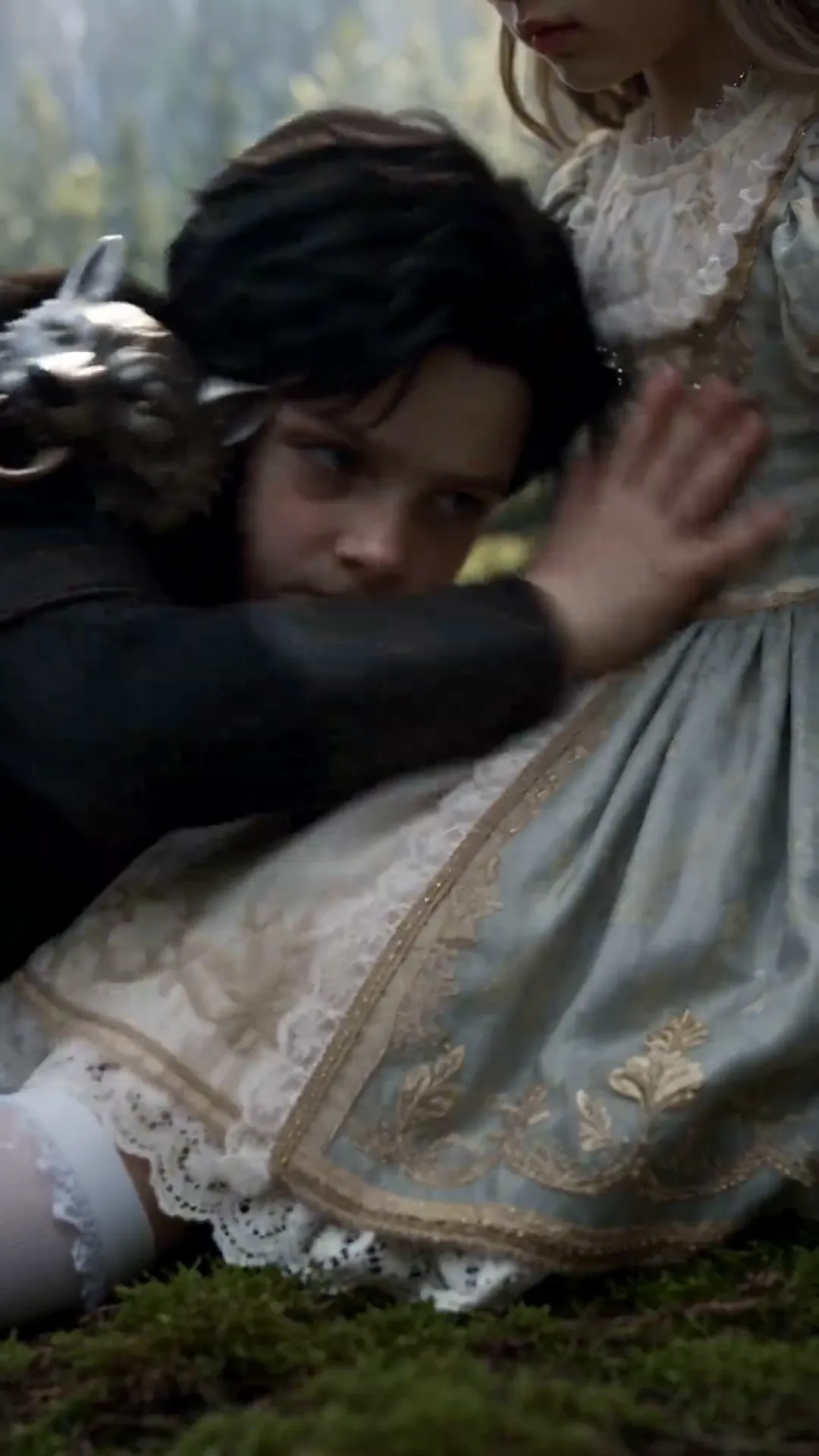
The Locket That Humms When He’s Near
It’s cracked. Silver. Cold to the touch—until he walks into the room. Then it thrums, faint and insistent, like a heartbeat waking up after ten years. Inside: a single dried violet petal. And a child’s sketch—two wolves, tangled paws, one with wings.
Mia keeps it hidden in her sleeve. Cain thinks it’s stolen. Lydia claims she used it to breach the sacred barrier—to let White tribe forces in and kill him.
But the truth? He gave it to her, the day she saved him. The day he was bleeding in the snow, his father dead, his territory seized—and she knelt beside him, small and fierce, pressing the locket into his palm. “With this, you will be able to find me.”
He never did. Not until now. Not until the relic hums in his pocket as she stands before him, chained, defiant, saying:
“Take one more step forward—and I'll die right here.”
Screenshots2
Frequently Asked Questions
What is Only regret that deep love cannot recognize the kite about?
It's a fantasy-tinged revenge drama set in a werewolf tribal world. After conquering the White Tribe, Alpha Cain Black is forced into a political marriage with Mia—their last surviving Alpha daughter—whom he blames for his father’s death. Unbeknownst to him, Mia is 'Violet,' the girl who saved his life as a child and bears a violet-shaped birthmark. As jealousy, betrayal, and hidden identity collide, Mia fights to preserve her dignity while Cain grapples with memory, vengeance, and unrecognized love.
Where can I watch Only regret that deep love cannot recognize the kite?
You can watch the full short drama on ShortMax. This page provides the English recap, cast, and preview; stream the complete series on the official ShortMax app or site.
What type of short drama is Only regret that deep love cannot recognize the kite?
It’s a genre-blended short drama combining werewolf fantasy, political marriage, hidden identity, and enemies-to-lovers tension. Themes of revenge, betrayal, and sacred relics anchor its emotional stakes, while its tribal power structure and billionaire-adjacent Alpha hierarchy add mafia and elite-world flavor.
Who are the main characters in Only regret that deep love cannot recognize the kite?
Cain Black is the vengeful Alpha of the Black Tribe, haunted by childhood trauma and obsessed with finding 'Violet.' Mia is the resilient Alpha daughter of the fallen White Tribe—and secretly Violet herself. Lydia serves as the manipulative antagonist, leveraging her decade-long devotion to Cain to sabotage Mia. Lucian, Mia’s late father and former White Tribe Alpha, looms large in backstory and accusation.
Why does Cain treat Mia so harshly despite marrying her?
Cain believes Mia’s family—especially her father Lucian—was responsible for his father’s death and the loss of Violet, the girl who once saved him. He sees their marriage as a humiliating political necessity, not a union of equals. His cruelty stems from unresolved grief, misdirected rage, and the painful irony that he’s punishing the very person he’s spent years searching for.
What is the significance of the violet-shaped birthmark?
The violet-shaped birthmark on Mia’s neck is the physical proof of her true identity as 'Violet'—the child who rescued Cain years ago. It symbolizes both sacred connection and stigma: Cain obsessively seeks it yet fails to recognize it on Mia, while others use her marked body to dehumanize her. It anchors the drama’s core theme—love obscured by memory and prejudice.
Does Mia ever confront Cain with the truth about her identity?
Yes—Mia asserts her identity with quiet defiance, notably declaring, 'I am Mia. I am not the person you're looking for.' She refuses to be erased or mistaken, even under imprisonment and threat. Yet the full revelation remains unresolved: Cain has not yet recognized her as Violet, and the truth hangs between them like a relic waiting to be claimed.
Quick Summary
In 'Only Regret That Deep Love Cannot Recognize the Kite' short drama, Cain Black marries Mia—his childhood savior Violet—without knowing her identity.
Watch NowYou May Also Like
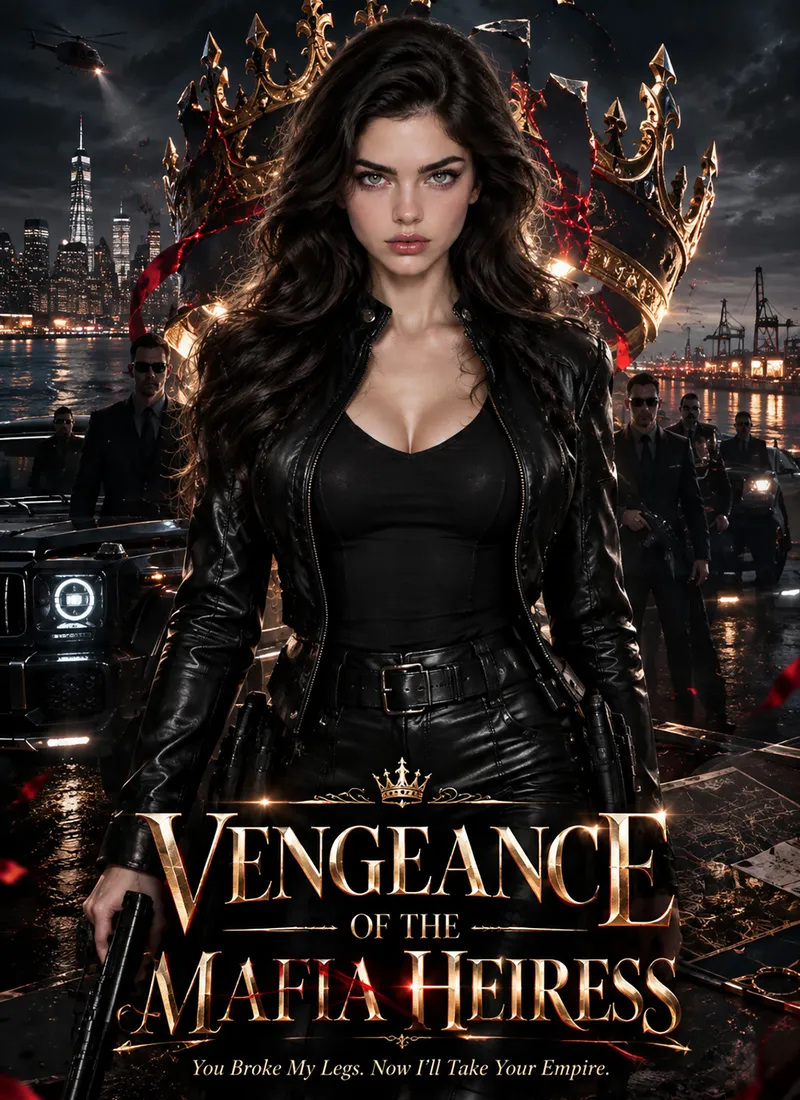
Vengeance of the Mafia Heiress Plot Recap & Cast
Scarlett Morgan, mafia heiress, infiltrates the Sterling empire in 'Vengeance of the Mafia Heiress'—a highstakes short drama recap full of betrayal, power...

Begging the mafia heir for mercy? Too late Short Drama Recap
Eleanor, secret mafia heiress, faces off with Julian and Sabrina in this thrilling short drama recap.

Only Her Kiss Can Keep The Alpha Alive Plot Recap & Cast
Ella, the soulless outcast, meets Roy, a hidden Alpha. Their forbidden love sparks revenge and redemption in this short drama recap. Full story inside!

The Delivery Girl Was a Mafia Queen2 Plot Recap & Cast
Scarlett faces cousin Adrian's three trials to keep her mafia empire, uncovers her mother's poisoning, and races to save Christian.
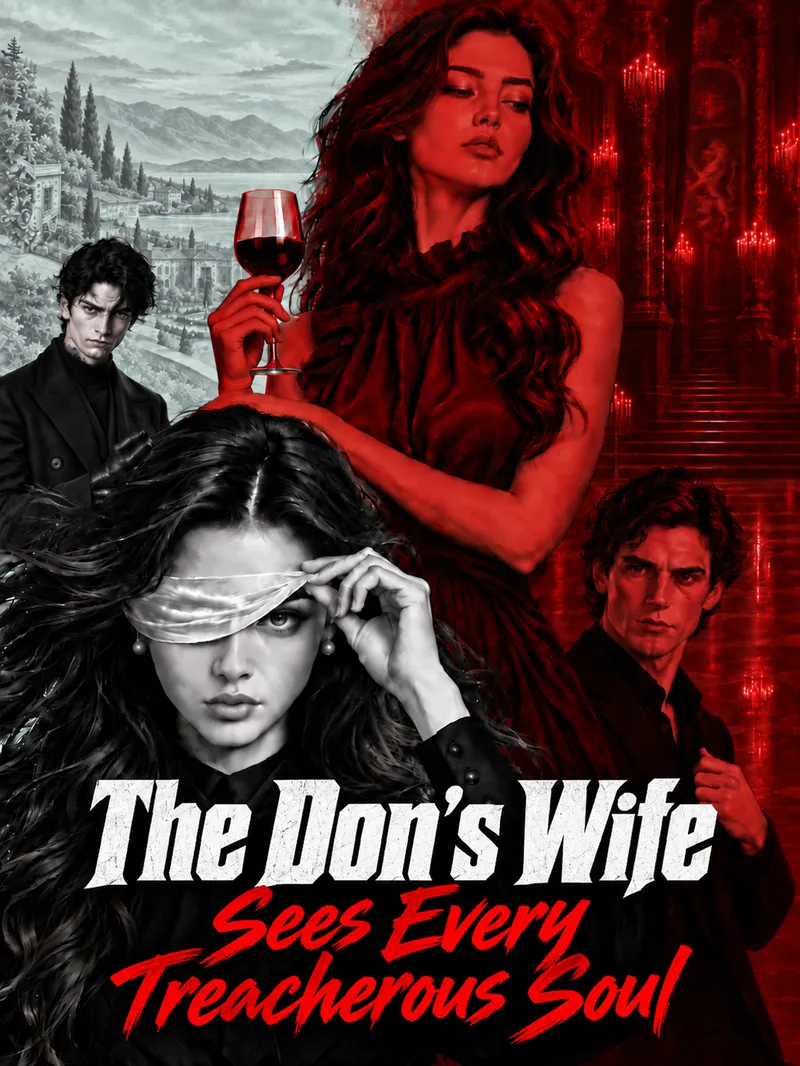
The Don’s Wife Sees Every Treacherous Soul Recap, Cast &…
Narissa can see souls, but her husband poisoned her. Reborn at the matchmaking dinner, she must outsmart the Don and trust a mysterious man in a wheelchair.
The Mafia Boss’s XXL Sweetheart Short Drama Recap
Chelsea can smell good and evil, but cartel lord Adriel smells only bitter. One candy and a hug change everything in The Mafia Boss's XXL Sweetheart.
10 episodes available