Harvest? She Earned Every Bite - Plot Summary, Twists &…
After divorcing a cheating husband and surviving a tsunami, she wakes up in the body of a wronged, overworked widow in feudal China—expected to care for her paralyzed mother-in-law while her greedy in-laws hoard every copper coin. When she refuses to be the family's unpaid servant any longer, she grabs her two children and starts a roadside stall—but her rebellion sparks chaos, resentment, and a shocking return no one saw coming.
Characters
Four Seas
5yearold son of Zhao Shi; quiet, attentive, physically small but emotionally perceptive and supportive.
Grandmother
Bedridden matriarch; authoritarian, hypocritical, uses filial piety as a tool of control; threatens Zhao Shi with divorce.
Shui Sheng
Zhao Shi’s brotherinlaw; the only surviving son of the matriarch; entitled, manipulative, and determined to control family resources and authority.
Wu Fu
13yearold daughter of Zhao Shi; observant, articulate, morally grounded, and deeply loyal to her mother.
Xiufeng
Zhao Shi’s sisterinlaw; married to Shui Sheng; passiveaggressive, statusconscious, and complicit in excluding Zhao Shi from benefits.
Zhao Shi
Modern woman who timetraveled after a tsunami; now inhabits the body of a mistreated widow in a poor rural family. Sharp, pragmatic, exhausted but fiercely protective of her children.
Synopsis
The story opens in visceral exhaustion: Zhao Shi recounts three years of round-the-clock care for her paralyzed mother-in-law—feeding, cleaning, turning, bathing—while enduring emotional neglect and material betrayal. Her brother-in-law Shui Sheng and sister-in-law Xiufeng avoid caregiving entirely, citing gender, youth, or incompetence, yet claim full rights to family assets. The breaking point arrives when Zhao Shi learns the family received 30 taels in government compensation for land seized to build an irrigation canal—and not a single coin was shared with her and her children. Her confrontation is unflinching: she names inequities—unequal rations, denied education for her son Wu Fu, preferential treatment for cousins, and the sheer physical toll of being the only adult doing all domestic, agricultural, and caregiving labor. Her declaration to 'drop the mess' shocks the household, triggering panic among relatives who assumed her compliance was permanent. Their attempts to manipulate her back—offering a moth-eaten bolt of cloth, feigning concern, guilt-tripping her with 'family unity'—only deepen her resolve. Meanwhile, Zhao Shi begins practical acts of autonomy: repairing drafty walls, foraging high-value wild edibles (toon sprouts), planning market sales, and even exploring low-cost paper-making to replace painful bamboo toilet paper. Her children respond with fierce loyalty and surprising maturity—Wu Fu questions injustice aloud, Four Seas observes quietly, and both actively support her efforts. Tensions escalate as Shui Sheng asserts patriarchal control ('I’m the only son now'), his wife Xiufeng weaponizes scarcity ('no oil, no salt'), and the grandmother threatens divorce-by-accusation of 'filial impiety'. Yet Zhao Shi’s agency grows—not through magic or sudden wealth, but through observation, resourcefulness, and boundary-setting. She leverages local knowledge (a village scholar for potential tutoring), tests market logic (challenging Shui Sheng’s dismissive 'bamboo shoots aren’t worth much' claim), and builds micro-alliances (gifting stir-fried toon to the scholar’s family). Her past identity—as a divorced college graduate—anchors her perspective: she sees the absurdity of feudal expectations, measures fairness in calories and hours, and treats survival as a project requiring iteration, not perfection. The drama’s core conflict isn’t just poverty or inheritance—it’s the collision between systemic exploitation and embodied refusal: a woman reclaiming time, dignity, and decision-making power, one stubborn, practical choice at a time.
After divorcing a cheating husband and surviving a tsunami, she wakes up in the body of a wronged, overworked widow in feudal China—expected to care for her paralyzed mother-in-law while her greedy in-laws hoard every copper coin. When she refuses to be the family's unpaid servant any longer, she grabs her two children and starts a roadside stall—but her rebellion sparks chaos, resentment, and a shocking return no one saw coming.
Quick Info
- Platform: ShortMax
- Genre: Historical Drama, Family Drama, Female Empowerment, Survival, Comedy-Drama
What do you do when your “duty” is to feed everyone—but no one feeds you?
Zhao Shi handed her in-laws a receipt… and walked out with her kids, two baskets of bamboo shoots, and nothing else.
No shouting. No tears. Just silence—and the weight of three years: bathing, turning, cleaning her paralyzed mother-in-law, alone. Standing in the dusty courtyard, she said it plainly:
“I fed her, washed her, turned her, cleaned her—for three years. Your daughter won’t even step into that room.”
Then came the real cut: the 30 silver coins from the government canal compensation. Every coin vanished—not into her children’s bowls, not into the roof’s gaping holes—but straight into the pockets of her brother-in-law Shui Sheng and sister-in-law Xiufeng. Her voice didn’t tremble. It hardened—like a door locking behind her.
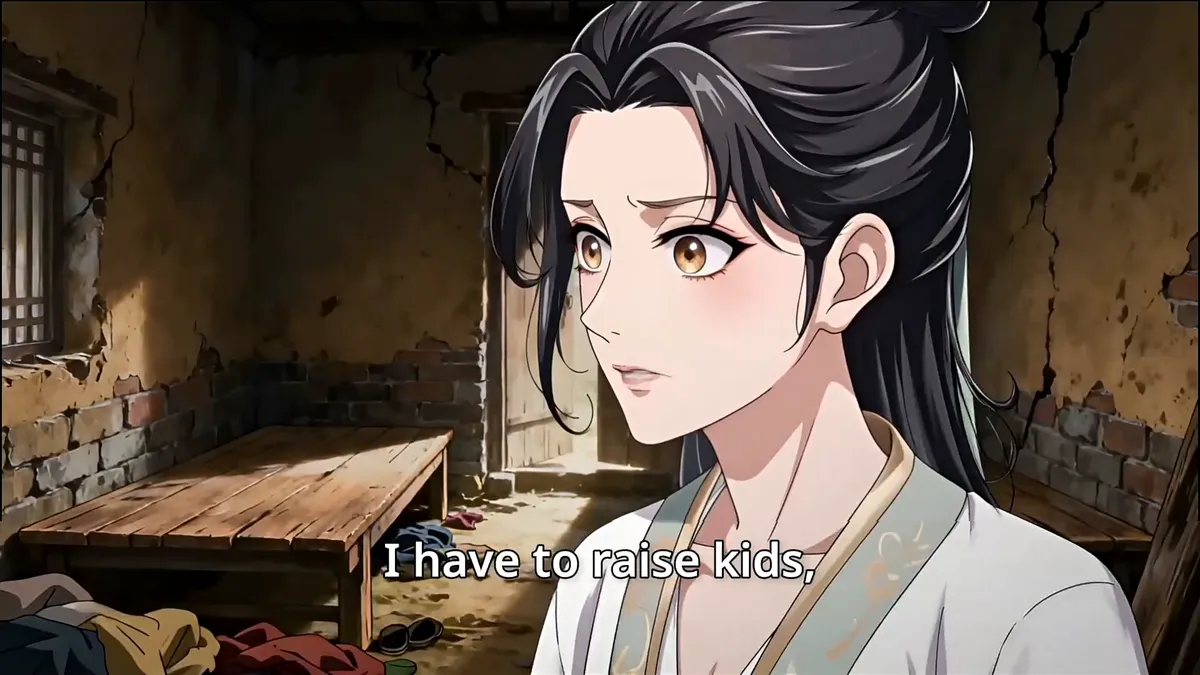
Harvest? She Earned Every Bite - What do you do when your “duty” is to feed everyone—but no one feeds you?
She’s not building a stall. She’s building an exit.
While Shui Sheng brags, “I’m the only son now,” Zhao Shi kneels in mud, sealing cracks in the walls so her kids won’t shiver at night.
While Xiufeng snaps, “No oil. No salt,” Zhao Shi forages wild toon sprouts—sharp, fragrant, and already worth more than bamboo shoots at market. To Wu Fu, she says coolly: “This sells. Remember that.”
And when Four Seas hauls home two heavy baskets—no complaint, just steady breath—she doesn’t thank him. She counts the stalks. Each one is money. Each one is power reclaimed.
You see it in the quiet moments:
- Wu Fu, thirteen, listing calmly: “Cousin gets eggs. I get rice water. You know what’s fair. You just choose not to act.”
- Four Seas mimicking her bartering tone at the stall—not copying words, but learning how to ask—because power lives in the pitch, not just the price.
- The first time Wu Fu calls her “Ma”—not “Auntie”—not out of habit, but because Zhao Shi finally chose to be her mother.

Harvest? She Earned Every Bite - She’s not building a stall. She’s building an exit.
That 30-coin ledger? It’s not about money. It’s about breaking the silence.
Shui Sheng still thinks he holds the script—he threatens, bargains, dangles a frayed bolt of cloth like mercy.
Zhao Shi? She’s already moved on.
She’s negotiating tutoring with a village scholar.
She’s boiling toon leaves—not for flavor, but for profit.
She’s even designing softer toilet paper—because yes, bamboo scrapers hurt, and dignity means not bleeding while you work.
The grandmother shrieks “Filial impiety!”
Zhao Shi laughs—bitter, bright, utterly unshaken—and walks out with her children, two baskets of bamboo shoots, and something quieter, hotter, and truer:
Liberation isn’t announced.
It’s foraged. Counted. Cooked. Sold.
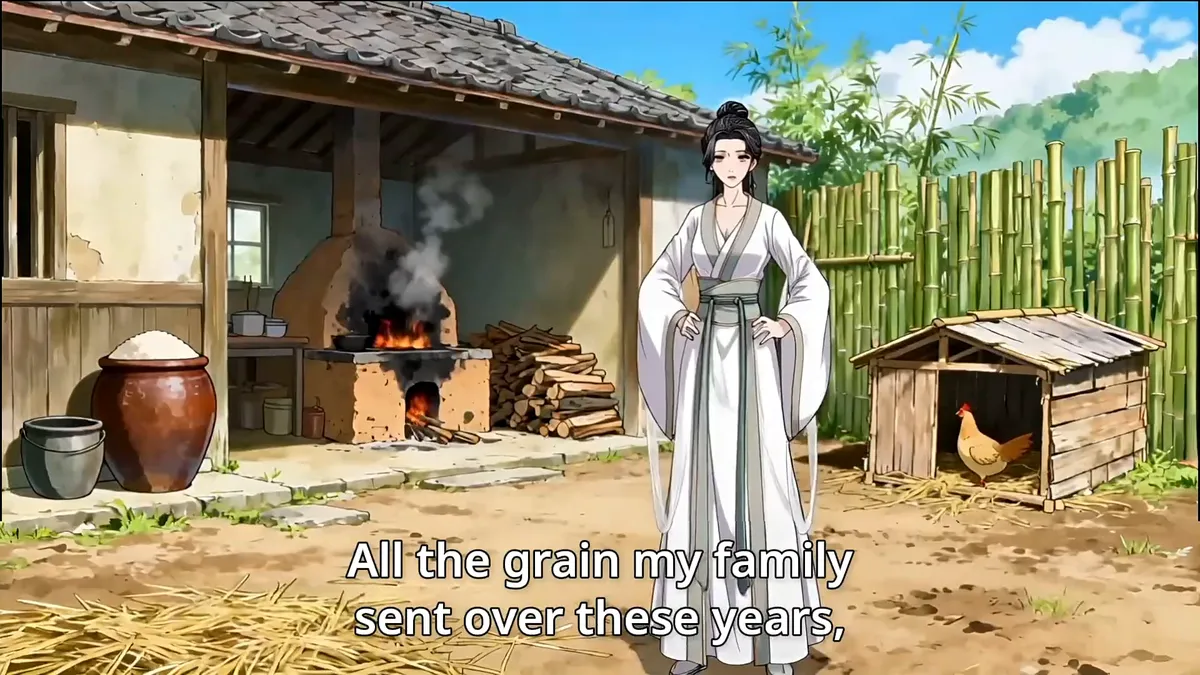
Harvest? She Earned Every Bite - That 30-coin ledger? It’s not about money. It’s about breaking the silence.
Grab some bamboo shoots—and watch closely. This rebellion doesn’t roar.
It grows.
Screenshots3
Frequently Asked Questions
What is Harvest? She Earned Every Bite about?
It's the story of Feng Shuyao, a modern woman who time-travels into the body of Zhao Shi—a mistreated widow in a poor rural family during feudal China. With a bedridden mother-in-law and greedy in-laws hoarding inheritance money, she refuses to be exploited further. Using her modern resourcefulness, she forages, repairs their home, and starts a small business with her two children to claim autonomy and dignity.
Where can I watch Harvest? She Earned Every Bite?
Available on our platform for full drama recaps and highlights.
What type of short drama is Harvest? She Earned Every Bite?
It’s a Historical Family Drama with strong elements of Female Empowerment and Survival, blended with subtle Comedy-Drama moments. The story balances emotional tension with pragmatic ingenuity, centering on economic justice and redefining tradition.
Who are the main characters in Harvest? She Earned Every Bite?
Zhao Shi, the resilient protagonist who defies exploitation; her sharp 13-year-old daughter Wu Fu and quiet but perceptive 5-year-old son Four Seas; and antagonists Shui Sheng and Xiufeng—her entitled, manipulative brother- and sister-in-law who control the family’s resources and expectations.
Does Zhao Shi ever confront her in-laws directly—or does she resist quietly?
She begins with quiet resistance—refusing chores, withholding labor, and building economic independence—but escalates to bold, public acts: setting up a roadside stall, negotiating town trade, and challenging inheritance claims. Her defiance isn’t loud or violent—it’s strategic, dignified, and rooted in action, making it all the more disruptive.
What role do food and foraging play in the story?
Food symbolizes both scarcity and agency. Zhao Shi forages bamboo shoots and toon sprouts not just to feed her children, but to reclaim value from land her in-laws ignore. Selling these goods becomes her first step toward financial self-reliance—and a quiet rebuke to their assumption that her labor should be free and invisible.
Is there a romantic subplot in Harvest? She Earned Every Bite?
No. The focus remains firmly on Zhao Shi’s personal sovereignty, motherhood, and structural resistance. Any emotional intimacy centers on her bond with her children and evolving self-worth—not romance. Her strength lies in choosing herself, not finding a new partner.
Quick Summary
A modern widow timetravels into feudal hardship—and refuses to be exploited. Watch her fight for fairness, feed her kids, and build something real.
Watch NowYou May Also Like

From Pawn to Queen - Episode-by-Episode Recap & Key Moments
She died betrayed and pregnant—now she’s back at the banquet that started it all. Watch Caroline rewrite fate, one calculated move at a time.
Harvest & Harmony: Her Second Life - Plot Summary, Twists…
A betrayed modern woman wakes up in a harsh past life—forced to fight for her kids, her dignity, and a fair share of the family’s survival. Bold, witty, and fiercely maternal.

Married for Seven Years. - Everything You Need to Know…
Grace Barrett leaves her chancellor husband after 7 years—reclaiming her dowry, her dignity, and her future. But Sabrina’s ascent and a mysterious scholar complicate everything.

My Ex-Husband Wants Me Back, But I'm Married to a…
He thought she'd wait. She built a new life — and a son — while he played house with his 'princess.' Watch her reclaim power, one icy smile at a time.

No Soft Landing - In-Depth Recap: Every Episode's Key…
A postapocalypse warrior reincarnates into a bullied teen—and flips the script with zero tolerance, hidden powers, and brutal honesty.

The One Who Didn't Break - Recap
A postapocalyptic survivor wakes up in 1970s China — and refuses to be the family's scapegoat. Sharp, strategic, and utterly unapologetic.
9 episodes available