The One Who Didn't Break - Recap
Mia wakes up in 1970 as Su Miaomiao — a scarred, sidelined 'pushover' whose mother's job and inheritance were stolen by her scheming stepmother. Fresh from surviving a decade in a brutal apocalypse with water and spatial abilities, she refuses to play victim. When threatened with forced rural re-education, she doesn’t beg — she weaponizes truth, leverage, and her hidden supernatural powers to reclaim what’s hers.
Characters
Guo Shu
A compassionate, principled factory cadre who knew Miaomiao's mother. Becomes an unwitting ally when Miaomiao presents evidence of the job theft. Represents institutional integrity and intergenerational accountability.
Li Hongxing
Su Miaomiao's stepmother. Seized her late mother's factory job, wages, and personal effects. Orchestrated Miaomiao's forced rustication to protect her biological daughter. Pragmatic, statusobsessed, and increasingly rattled by Mia's defiance.
Li Lianlian
Li Hongxing's biological daughter, one year older than Miaomiao. Spoiled, manipulative, and deeply insecure about her facial scars — which she inflicted on Miaomiao. Uses guilt, tears, and faux vulnerability as control tactics.
Mia / Su Miaomiao
A ruthless, traumahoned survivor of a decadelong apocalypse with water manipulation and spatial storage abilities. Reincarnated into a bullied, scarred 1970s girl. Calm, observant, verbally precise, and strategically uncompromising.
Wang Shen
A sharptongued neighborhood auntie who suspects wrongdoing and becomes an early conduit for spreading truth. Embodies grassroots moral authority and communal pressure.
Synopsis
Mia awakens disoriented in 1970, immediately confronting the suffocating reality of Su Miaomiao’s life: verbal abuse, domestic servitude, and erasure within her own home. The core injustice is structural — her mother’s textile factory job, death benefits, and even her wristwatch are held by stepmother Li Hongxing, who manipulated bureaucratic systems to seize them after marrying Miaomiao’s father just one month post-widowhood. The final betrayal is the forced rustication order, secretly arranged by Li Hongxing to preserve her daughter Li Lianlian’s marriage prospects — a decision disguised as familial duty but rooted in cold calculation. Mia’s response is methodical and layered: first, she leverages social accountability by confronting factory cadre Guo Shu with documented facts, securing financial restitution not as charity but as institutional redress; second, she deploys psychological warfare — refusing emotional labor, rejecting performative apologies, and exposing hypocrisy with surgical precision (e.g., noting Li Lianlian’s ruined face was self-inflicted, then dismissing her vanity); third, she activates her spatial ability not for spectacle but quiet reclamation: absorbing the family’s hidden wealth — cash, bonds, deeds, antiques — without confrontation, transforming passive dispossession into active repossession. Her relationships shift from transactional subjugation (cooking, cleaning, self-erasure) to calibrated deterrence: she tolerates no physical aggression (kicking a brother who invades her seat), shuts down guilt-tripping with silence or irony ('Oh.' / 'I’m still waiting for my inheritance'), and treats threats like administrative errors to be corrected. The tension escalates not through melodrama but through consequence — every lie exposed tightens the noose on Li Hongxing’s position, every withheld favor recalibrates household power, and every retrieved asset silently invalidates years of theft. Mia isn’t seeking revenge for its own sake; she’s restoring ontological sovereignty — proving that survival isn’t just enduring, but *reclaiming*.
Mia wakes up in 1970 as Su Miaomiao — a scarred, sidelined 'pushover' whose mother's job and inheritance were stolen by her scheming stepmother. Fresh from surviving a decade in a brutal apocalypse with water and spatial abilities, she refuses to play victim. When threatened with forced rural re-education, she doesn’t beg — she weaponizes truth, leverage, and her hidden supernatural powers to reclaim what’s hers.
Quick Info
- Platform: ShortMax
- Genre: Reincarnation, Revenge, Historical Drama, Female Empowerment, Supernatural
She Didn’t Scream. She Didn’t Beg. So Why Would She Start Now?
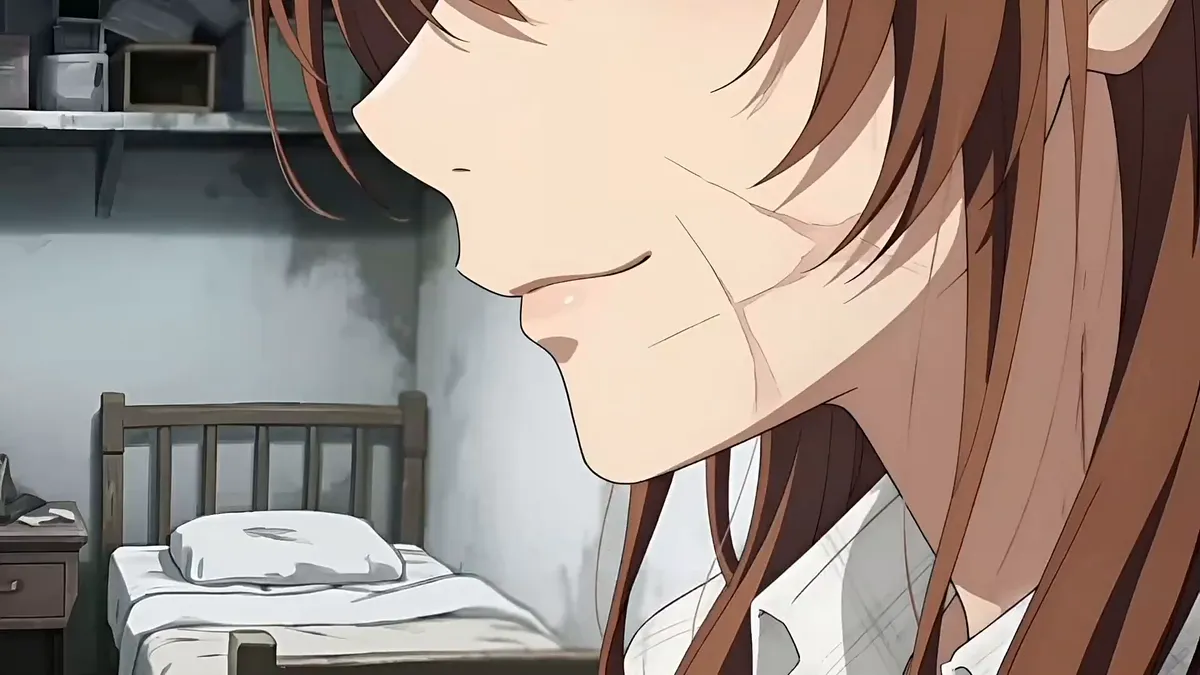
Mia wakes up — disoriented, sharp-eyed — with the ghost of ash and iron still under her nails. Not literal blood. Just memory: ten years surviving collapse, learning to bend water and fold space like muscle memory.
Her present? A cramped storage room in her childhood home — now ruled by her stepmother, who took her mother’s job, her wristwatch, and even the signed waiver that erased Mia’s claim to the family inheritance. Mia doesn’t flinch. She calculates. She’s not here to grieve. She’s here to audit.

The One Who Didn't Break - She Didn’t Scream. She Didn’t Beg. So Why Would She Start Now?
The relocation order wasn’t fate — it was sabotage
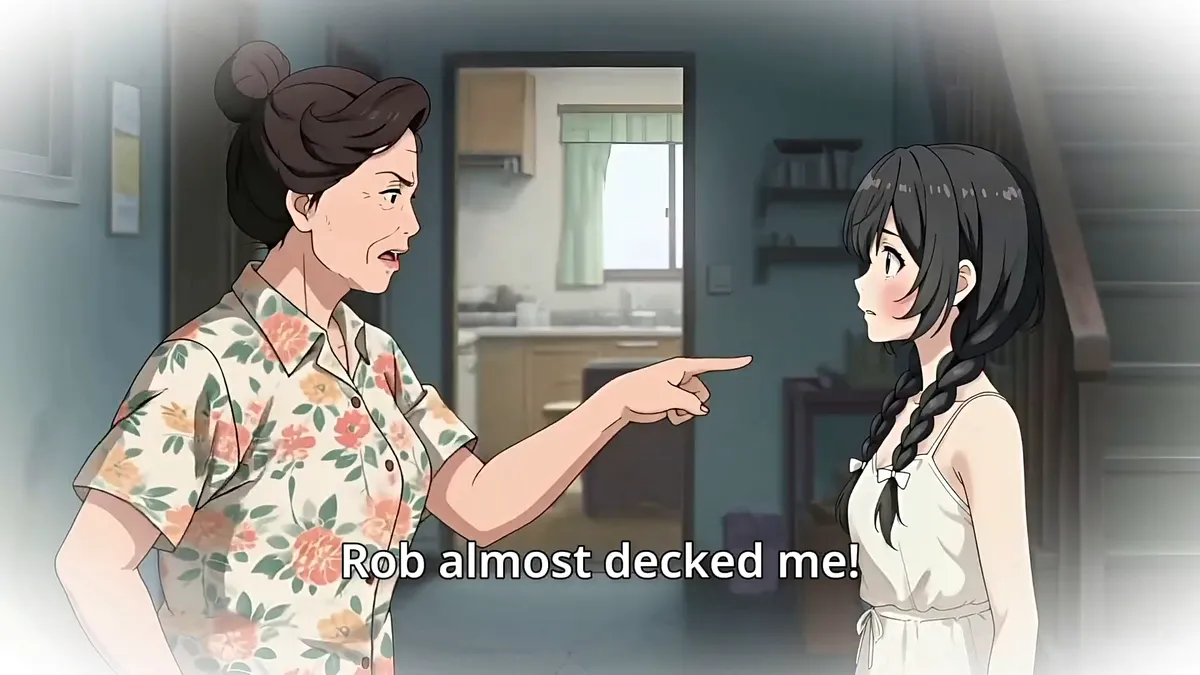
Her stepmother didn’t just take the factory position. She used paperwork like a weapon. Married Mia’s father one month after her mother’s funeral. Got her own daughter off the relocation list — then quietly added Mia’s name instead, all to protect her daughter’s engagement.
When that daughter slaps her own face and begs forgiveness at the dinner table, Mia watches — silent, steady.
“You think I’m scared of the countryside?” she says.
“I survived famine. Betrayal. The slow end of everything.”
“Your threats sound like static.”
She doesn’t raise her voice. She names facts: the self-inflicted scars on her step-sister’s cheek. The house deed still registered in her name. Then she walks out — no slam, no tears. Just consequence, already in motion.
The One Who Didn't Break - The relocation order wasn’t fate — it was sabotage
She reclaims what’s hers — not with a roar, but with a receipt
Mia doesn’t march into the factory shouting. She walks in calm, stands before the personnel officer, and says:
“I’d like to donate my mother’s job back to the factory.”
Not beg. Not accuse. Donate.
The result? An 800-yuan severance package. Grain tickets. Cloth coupons. Industrial vouchers — all processed as official redress.
Meanwhile, behind closed doors, her spatial ability hums — quiet, precise. She pulls hidden cash, bonds, property deeds, antiques — even her mother’s gold coins, buried beneath floorboards — straight into her personal void. No fanfare. No confrontation. Just cold, deliberate fingers closing around what was stolen.
Then she hands her father a sealed envelope labeled “For Your Records.”
She doesn’t wait for him to open it.
She doesn’t need to.
The One Who Didn't Break - She reclaims what’s hers — not with a roar, but with a receipt
Screenshots3
Frequently Asked Questions
What is The One Who Didn't Break about?
It follows Su Miaomiao, a hardened survivor of a zombie apocalypse with water manipulation and spatial storage powers, who reincarnates into a meek 1970s girl slated for rural re-education. Refusing victimhood, she exposes her stepmother’s theft of her late mother’s factory job and property, secures a severance package, retrieves hidden family assets using her abilities, and begins dismantling the family’s lies—all before her scheduled departure.
Where can I watch The One Who Didn't Break?
Available on our platform for full drama recaps and highlights.
What type of short drama is The One Who Didn't Break?
It’s a reincarnation revenge drama blending historical realism (1970s China) with supernatural elements—water manipulation and spatial storage—centered on female empowerment, quiet resistance, and intergenerational justice.
Who are the main characters in The One Who Didn't Break?
The protagonist is Mia / Su Miaomiao—a trauma-sharp survivor reborn into vulnerability. Key antagonists include stepmother Li Hongxing and her daughter Li Lianlian. Supporting figures include principled factory cadre Guo Shu and observant neighborhood auntie Wang Shen, both of whom become unexpected allies in Mia’s campaign for truth and restitution.
How does Mia use her supernatural abilities without drawing suspicion?
She deploys them with surgical precision and plausible deniability: retrieving hidden assets via spatial storage during private moments, subtly redirecting rainwater to expose tampered evidence, or using micro-control of moisture to trigger minor environmental cues—never overt displays. Her apocalypse-honed discipline ensures every power use serves a concrete, socially legible goal.
What does 'The One Who Didn't Break' refer to?
It refers to Mia’s unbroken core—forged in ten years of apocalypse survival—contrasted with the societal expectation that women like her 1970s counterpart should quietly submit. Even when stripped of status, voice, and safety, she retains agency, strategy, and moral clarity—refusing to fracture under pressure or perform compliance.
Does the drama address systemic injustice beyond the family conflict?
Yes—it critiques institutional betrayal through the factory’s complicity in Li Hongxing’s fraud, the weaponization of re-education as punishment for 'uncooperative' women, and the erasure of working-class women’s labor and legacy. Mia’s confrontation isn’t just personal revenge—it’s a challenge to systems that enable theft disguised as duty.
Quick Summary
A postapocalyptic survivor wakes up in 1970s China — and refuses to be the family's scapegoat. Sharp, strategic, and utterly unapologetic.
Watch NowYou May Also Like

No Soft Landing - In-Depth Recap: Every Episode's Key…
A postapocalypse warrior reincarnates into a bullied teen—and flips the script with zero tolerance, hidden powers, and brutal honesty.

After Rebirth I Handed My Husband to My Stepsister and He…
She died for him. Reborn, she walked away—and now he's begging her back. A sharp, emotionally grounded revenge romance with zero groveling tropes.

Born Again for Him - Why Everyone's Watching: Story & Review
She died betrayed—now she's reborn to protect the brother who bled for her. A gripping reincarnation romance full of secrets, sacrifice, and slowburn devotion.

From Pawn to Queen - Episode-by-Episode Recap & Key Moments
She died betrayed and pregnant—now she’s back at the banquet that started it all. Watch Caroline rewrite fate, one calculated move at a time.

Reborn, I Chose the Fox Over the Tiger…
Clara ditches the treacherous white tiger for a 'weak' fox—and changes fate forever. A rebirth drama full of hidden power, sisterly betrayal, and slowburn revelation.

The Fate You Stole - Short Drama Explained - Recap
She died rotting in a woodshed—now she’s back to flip the script. Watch Madeline turn a curse into a weapon in this razorsharp reincarnation thriller.
9 episodes available