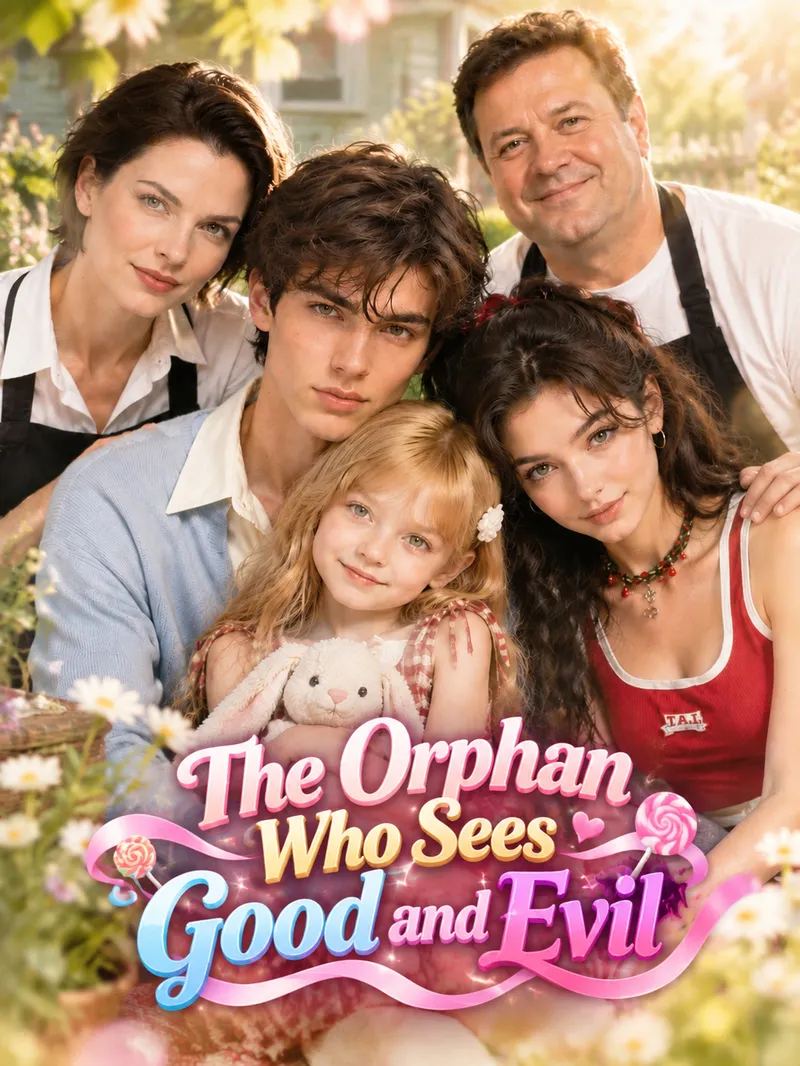
The Orphan Who Sees Good and Evil - Plot Summary, Twists &…
Six-year-old orphan Molly sees halos over good people and horns over evil ones—but when her jealous peer Chloe claims to be 'reborn' and demands Molly surrender her chance at adoption, Molly chooses the stern, worn-clothes couple with the brightest halo… only to discover her new brother Alan’s halo is faint, gray, and trembling with hidden pain.
Characters
Alan
Wheelchairusing older brother; initially cold and defensive, with a faint gray halo indicating buried sorrow and unhealed trauma; gradually opens up through Molly’s consistent care.
Chloe
Peer from the group home who claims to be 'reborn', mutters two unknown names, displays jealousy and hostility toward Molly, and asserts pastlife grievance ('You stole my happy life from me').
Helen
Molly’s adoptive mother; stern in demeanor but radiates a 'brilliant' halo; deeply protective, quick to act when Molly is injured, and values honesty and responsibility.
Michael
Molly’s adoptive father; gentle and supportive, introduces Molly to Alan with quiet warmth; coowns a busy restaurant with Helen.
Molly
Sixyearold orphan with the ability to see moral auras (halos = good, horns = evil); empathetic, observant, resilient, and fiercely loyal once trust is earned.
Synopsis
Molly’s gift manifests after a near-fatal fever: she sees glowing halos above morally upright people and sharp black horns above the corrupt or cruel. At the group home, she confides in the house mother, who silences her with fear—warning that revealing the ability could lead to experimentation—before dying shortly after, leaving Molly isolated and wary. On adoption day, Chloe—a peer who mutters two strange names and insists she’s been 'reborn'—intimidates Molly into wearing a tattered dress while she dons a new one, demanding Molly cede the spotlight to her. When the wealthy couple with black horns selects Chloe, Molly intervenes desperately—but too late. Instead, she’s assigned to Helen and Michael: stern, visibly tired, dressed in worn clothes, yet crowned with a 'brilliant' halo. Their conditional offer—'you’ll help care for my son in a wheelchair'—is met with Molly’s unwavering 'I won’t regret it.' Her first encounter with Alan is icy: he rejects her, assumes she pities him, and tests her with harsh commands. Yet Molly notices his faint, gray halo—dimmed by grief, not darkness—and responds with quiet obedience and empathy. She pushes his wheelchair, fetches soup, even navigates the awkwardness of assisting him in the bathroom—earning his first softening glance. Through walks and storytelling, she shares fragments of group home life: stolen cookies, the director’s humiliation, and a harrowing near-assault she narrowly escaped thanks to his wife’s intervention. Alan reacts with visceral tension and protective urgency—'Don’t ever go into a man’s room alone'—marking the beginning of mutual trust. When Chloe suddenly calls Alan’s name off-screen, the fragile peace fractures—hinting at unresolved ties, hidden histories, and looming confrontation.
She doesn’t choose families by smiles.
She chooses by light.
And the moment she saw his halo—gray, trembling, holding its breath—she knew: this was where she belonged.
Quick Info
- Platform: ShortMax
- Genre: Supernatural, Family Drama, Coming-of-Age, Mystery, Emotional
She chose them—not because they smiled, but because their light didn’t lie
Molly didn’t pick the polished couple with perfect dresses and gleaming shoes. She watched black horns curl above their heads—thin, smoky, unmistakable. Chloe stepped forward anyway, grinning, already calling them Mommy. Molly tried to shout: “Chloe, don’t go with them—they’re bad people!” But it was too late.
Then came Helen—the stern woman in worn clothes—who said, “You’ll help care for my son in a wheelchair.”
Molly looked up—and saw it: a halo so brilliant it made her blink.
“I won’t regret it.”
Not a plea. Not a wish. A promise.

The Orphan Who Sees Good and Evil - She chose them—not because they smiled, but because their light didn’t lie
Alan’s gray halo wasn’t broken—it was holding its breath
He didn’t want her. Called her “a cripple’s pity project.” Sat cold and rigid in his wheelchair while Molly stood there, heart pounding, reading the faint, trembling gray light above his head—not evil, not empty, but hurt, deep and quiet as a bruise no one had touched.
She didn’t hug him. Didn’t say “It’ll be okay.”
She pushed his chair.
Fetched his soup.
Waited outside the bathroom door until he whispered, “Come in.”
When she told him about the director—the chocolate lie, the broom-wielding wife, the way her knuckles still ached from gripping the doorframe—he went still. Then, voice low and urgent:
“Don’t ever go into a man’s room alone. Ever.”
That was the first time he looked at her like she mattered—not as a sister, not yet—but as someone worth warning.
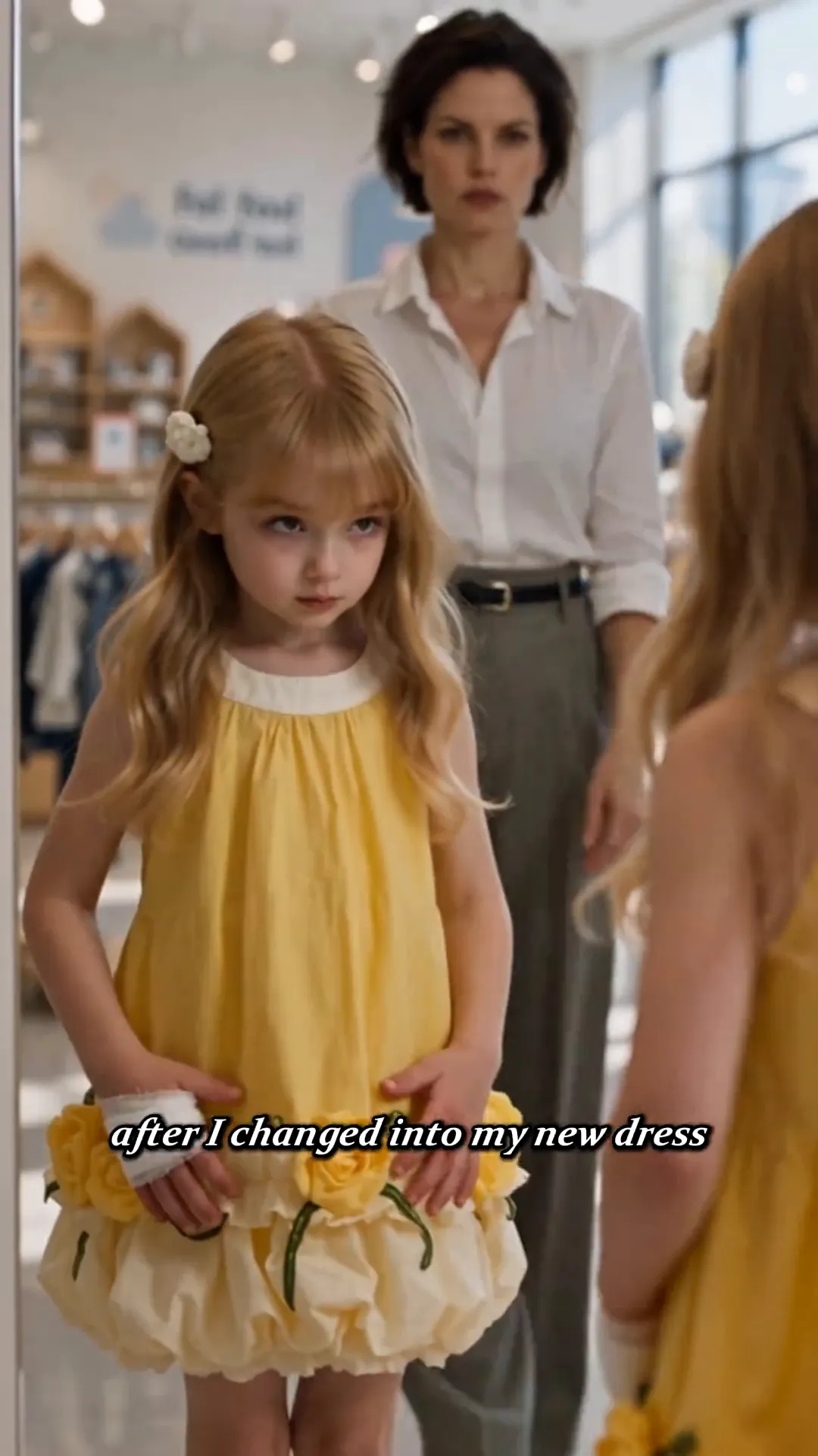
The Orphan Who Sees Good and Evil - Alan’s gray halo wasn’t broken—it was holding its breath
Chloe’s voice cuts through the calm like glass on tile
One second: Molly’s offering Alan chocolate—her first real gift, wrapped in foil, held out like peace.
The next: “Alan!” — sharp, familiar, wrong.
No footsteps. No knock. Just that name, dropped like a stone into the warm kitchen light.
Alan froze mid-reach.
Helen’s spoon stilled over the sink.
And Molly? She didn’t turn. She just held the chocolate tighter—because Chloe didn’t just know Alan’s name.
She knew how to say it.
Like she’d said it before.
Like she’d earned the right.
Grab your favorite blanket and settle in—this one wraps truth, tenderness, and a little girl who refuses to look away.
Screenshots2
Frequently Asked Questions
What is The Orphan Who Sees Good and Evil about?
It's the story of six-year-old Molly, an orphan who can see moral auras—halos over good people and horns over evil ones. On adoption day, she’s manipulated by a disturbed peer, Chloe, into rejecting a wealthy couple with horns—and instead chooses Helen and Michael, working-class parents whose brilliant halos mark them as truly good. As Molly settles into her new family, she forms a tender bond with her emotionally withdrawn, wheelchair-using brother Alan—whose faint gray aura hints at sorrow, not sin—and begins healing both him and herself.
Where can I watch The Orphan Who Sees Good and Evil?
Available on our platform for full drama recaps and highlights.
What type of short drama is The Orphan Who Sees Good and Evil?
It’s a supernatural family drama blending coming-of-age depth, emotional realism, and quiet mystery. With its focus on moral perception, childhood trauma, and found-family resilience, it balances ethereal imagery—like visible auras—with grounded, heartfelt character dynamics.
Who are the main characters in The Orphan Who Sees Good and Evil?
Molly, the six-year-old protagonist with aura-sight; Alan, her guarded, wheelchair-using older brother; Helen and Michael, her compassionate adoptive parents; and Chloe, a manipulative peer from the group home who claims to be 'reborn' and harbors dangerous delusions.
What does Alan’s gray halo mean?
Alan’s faint, trembling gray halo reflects deep sorrow and unresolved grief—not malice or moral failure. As Molly grows close to him through honesty and shared vulnerability, his aura gradually brightens, symbolizing emotional healing and reclaimed trust.
Is Chloe actually reborn—or is she mentally unwell?
The drama treats Chloe’s 'reborn' claims as delusional rather than literal. Her muttering of two unknown names and obsessive need for control suggest untreated trauma or emerging psychosis—making her a source of psychological tension, not supernatural threat.
Does Molly’s ability to see auras make her infallible?
No—her gift reveals moral resonance, not full context. She misreads Chloe’s influence as loyalty, and initially fears Alan’s gray aura as danger. The story emphasizes that compassion, patience, and relationship-building matter more than any supernatural perception.
Quick Summary
Meet Molly—a 6yearold who sees halos and horns. Watch her choose kindness over glamour, heal a broken brother, and face a 'reborn' rival. Pure heart, quiet power.
Watch NowYou May Also Like

He Came Home from Hell - Drama Breakdown: Story, Cast &…
A feared mob boss returns after 18 years—can he win back his daughter’s trust before his past destroys them all?
I See Who You Are - Plot Summary, Twists & Ending Analysis
A girl who sees soulcolors chooses kindness over wealth—then faces her 'best friend' who claims she stole a past life. Emotional, mystical, and deeply human.

My Billionaire Mom Chose the Tattooed Me - Complete Story…
A tattooed heiress returns home — but her 'sister' has been plotting for 15 years. Who really deserves the Vance empire?

My Brothers Chose the Fake Sister - Complete Story Summary…
She survived captivity—but her own brothers don’t recognize her. A shocking DNA test reveals the truth about the 'sister' they protected.

My Fiancé Chose My Cousin Over Me - Watch Guide: Plot…
Heartbroken but resolute, Natalie cancels her wedding when she realizes Ryan chose her cousin Chloe—over and over again. A raw story of love, neglect, and reclaiming yourself.

She Swiped the Wrong Dragon Card - In-Depth Recap: Every…
A dragon matriarch returns to find her heir broken—and unleashes icy, elegant vengeance. Don’t miss this fierce motherdaughter power reset.
5 episodes available