
I Remade Myself, Then Left My Loveless Husband - Drama…
After six years of meticulously engineering 'tests' to provoke her husband's love—hiring women, staging encounters, and sacrificing her identity—Elena finally witnesses the truth: Adrian smiles at an intern, arranges her housing, and forgets their sixth anniversary. In that silent, crumbling moment, she stops waiting—and walks away.
Characters
Adrian Ashford
Elena's emotionally unavailable husband—a successful executive whose kindness to others highlights his emotional absence toward her.
Elena
A woman who spent six years erasing herself to win her husband's love, then chose freedom over hope.
Tessa
Elena's pragmatic best friend who urges patience and reframes Adrian's detachment as limitation, not malice.
Synopsis
Elena’s marriage is built on performance: she curates her appearance, suppresses her emotions, and orchestrates elaborate psychological experiments—not to trap Adrian, but to *trigger* love. Her ASR monologue reveals chilling precision: she deploys 'hot blondes,' 'detached consultants,' and 'interns with sunshine smiles'—all calibrated to test whether he’s capable of desire. Each time, Adrian responds with clinical detachment, handing Elena business cards and chat logs like evidence of innocence. Her best friend Tessa frames his behavior as emotional incapacity—not cruelty—reinforcing Elena’s belief that she simply hasn’t been 'enough.' The turning point isn’t infidelity, but asymmetry: the intern walks freely into his office while Elena waits outside; she eats Elena’s packed snacks while Adrian offers housing advice; he texts about 'Heather and Mailer' apartments while Elena receives vintage hair clips—then critiques her messy bun. His silence at dinner isn’t coldness—it’s absence. He doesn’t ask why she’s changed; he doesn’t register her absence. When he leaves mid-meal to deliver keys, Elena doesn’t rage—she exhales. Her exhaustion isn’t defeat; it’s the first breath of autonomy. The drama centers not on revenge or confrontation, but on the quiet, seismic shift from self-erasure to self-reclamation—where walking away isn’t surrender, but the first act of choosing herself.
After six years of meticulously engineering 'tests' to provoke her husband's love—hiring women, staging encounters, and sacrificing her identity—Elena finally witnesses the truth: Adrian smiles at an intern, arranges her housing, and forgets their sixth anniversary. In that silent, crumbling moment, she stops waiting—and walks away.
Quick Info
- Platform: ShortMax
- Genre: Romance, Drama, Women's Fiction, Contemporary
The Anniversary Dinner That Wasn’t
Elena sat at the table—alone.
The restaurant lights dimmed. Chairs scraped back. Servers moved quietly around her. A waiter paused, holding a cake box.
“Should we still bring out the anniversary cake?”
She didn’t answer. She just watched the last candle flicker in the empty space across from her.
That silence wasn’t new.
But this time—it wasn’t waiting.
It was leaving.

I Remade Myself, Then Left My Loveless Husband - The Anniversary Dinner That Wasn’t
She Didn’t Hire Strangers to Trap Him. She Hired Them to Test Him.
For six years, Elena ran a quiet experiment inside her own marriage.
Blondes at galas—introduced as “clients.”
Consultants who lingered too long in Adrian’s conference room.
Interns with easy smiles who’d breeze into his office while Elena waited outside, holding lunch she’d packed herself.
She even hired investigators—not to catch him cheating, but to see what he’d do. Staged encounters. Public flirtations. Calculated proximity.
Every time? Adrian declined politely. Then came home—and handed her their business cards.
Like evidence.
Like receipts.
Like proof he wasn’t unfaithful—but never proof he was choosing her.
Her best friend Tessa called it emotional unavailability—not malice.
“He treats you well,” she’d say.
And for years, Elena believed that was enough.
Until she saw the intern eating her snacks from her desk drawer.
Until she heard Adrian laugh—a real, warm sound she hadn’t heard in years—while watching that girl stretch on her tiptoes to reach a cabinet shelf.
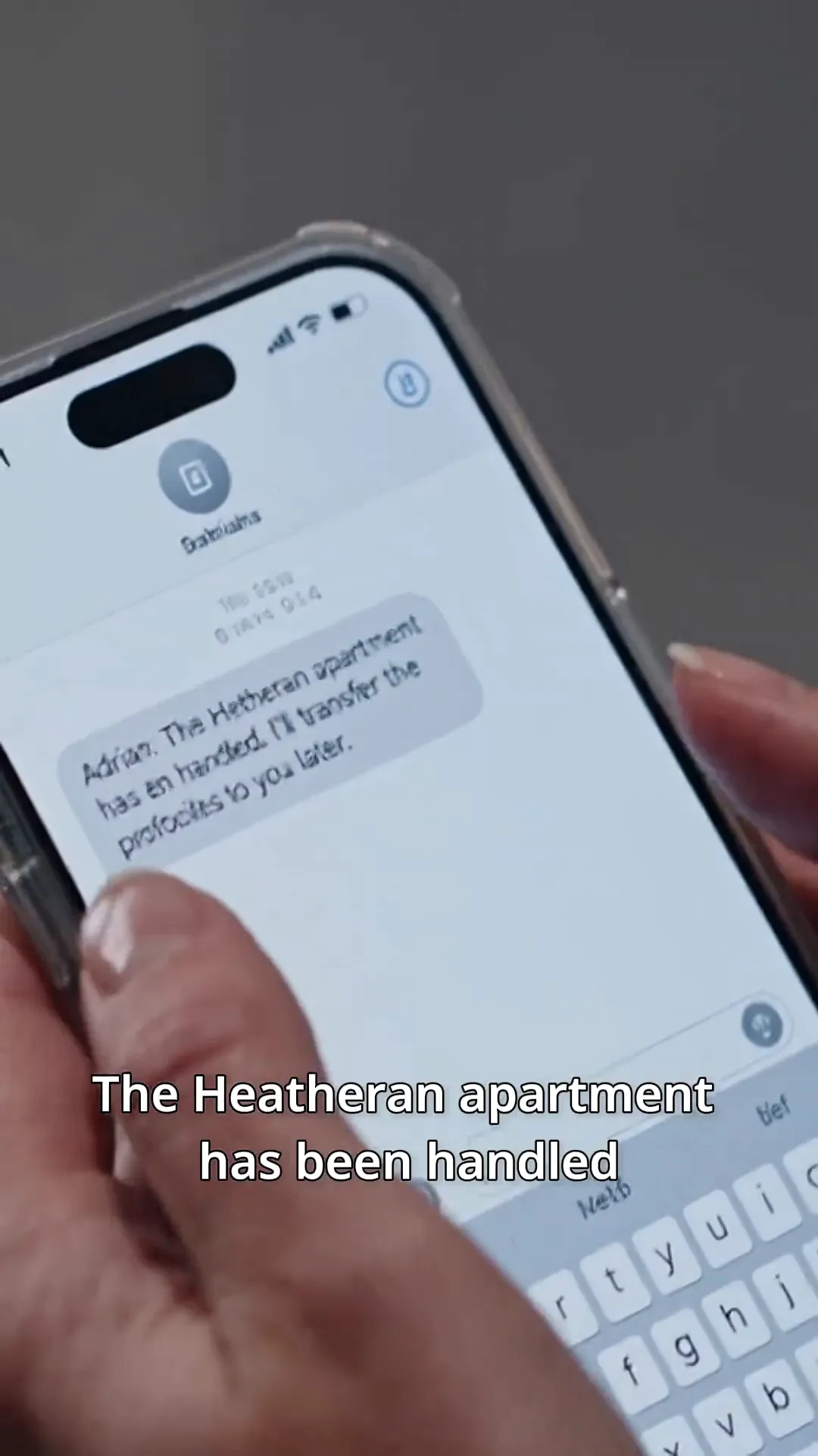
Until she read the text he sent: “Heather and Miller apartment is ready.”
The same apartment she’d picked out. Decorated. Called home.
He sent the keys—before he remembered it was their sixth anniversary.
I Remade Myself, Then Left My Loveless Husband - She Didn’t Hire Strangers to Trap Him. She Hired Them to Test Him.
What Happens When You Stop Being the Control Group?
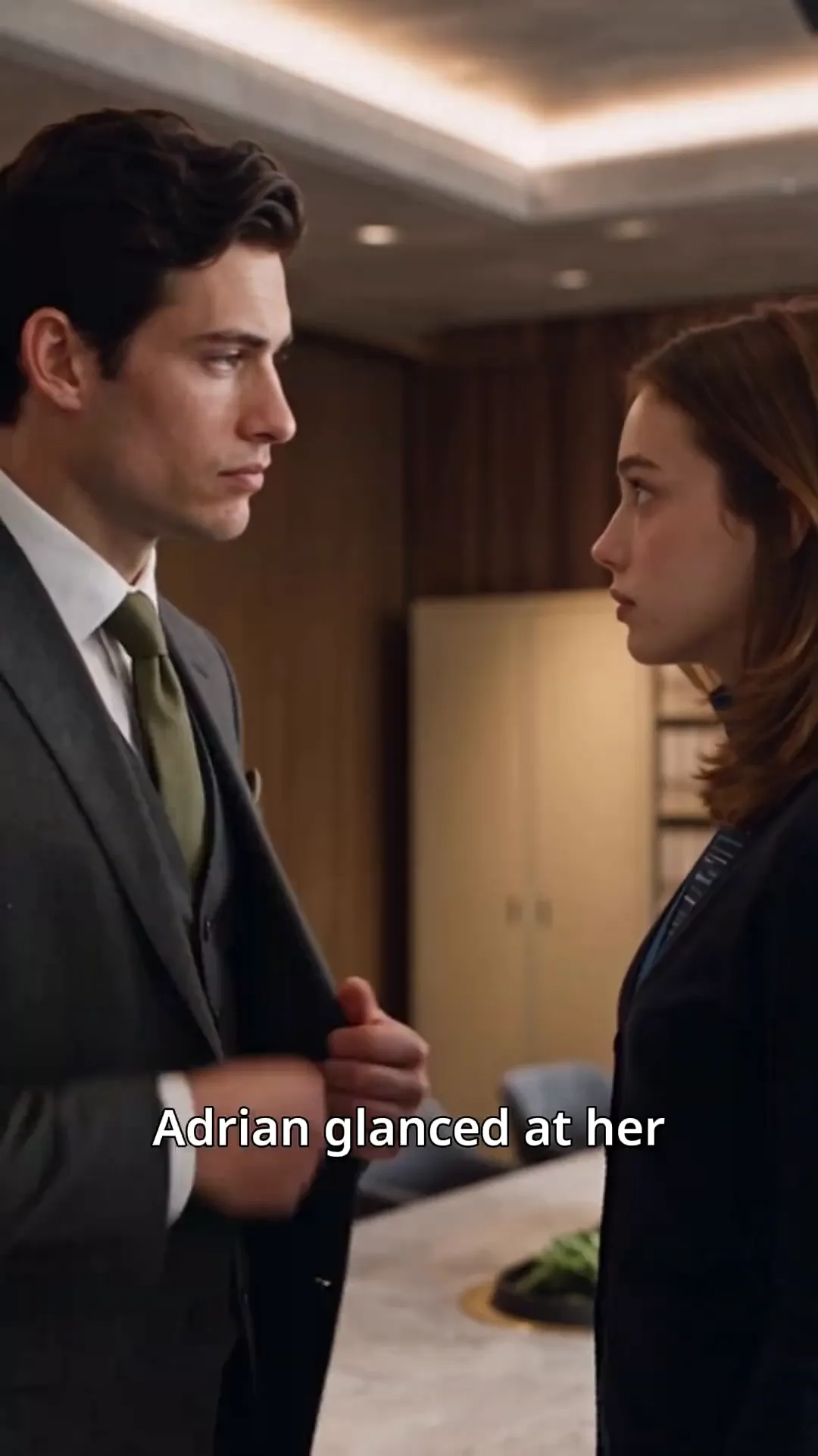
Adrian didn’t yell.
He didn’t cheat.
He didn’t forget on purpose.
He just… didn’t register her absence.
At dinner, he pinned vintage hair clips into her messy bun—then frowned and said, “You should fix your hair.”
He asked, “What did you get me?”—then accepted her silence without question.
When his phone lit up, he stood, kissed her temple (a gesture so automatic it felt like muscle memory), and walked out—to deliver keys to someone else’s new beginning.
Elena didn’t cry.
She exhaled.
She’d spent half a decade erasing herself—to become a variable in his experiment.
Then, in that quiet, crumbling moment—no grand fight, no final confrontation—she realized:
She wasn’t the subject anymore.
She was the one who walked out.
She was the one who bought her own pen to sign the divorce papers.
She was the one who wore a thrift-store band tee the morning after—and didn’t flinch when Adrian didn’t notice.
I Remade Myself, Then Left My Loveless Husband - What Happens When You Stop Being the Control Group?
You don’t need permission to be the main character in your life.
You just need to stop waiting for someone else to notice the story has already begun—with you at the center.
Screenshots3
Frequently Asked Questions
What is I Remade Myself, Then Left My Loveless Husband about?
It's the story of Elena, who spent six years reshaping her appearance, voice, and behavior to win the affection of her emotionally distant husband, Adrian. When she witnesses his genuine warmth toward a young intern—while forgetting their sixth anniversary—she realizes she’s been invisible in her own marriage. She files for divorce and begins reclaiming her identity far from his world.
Where can I watch I Remade Myself, Then Left My Loveless Husband?
Available on our platform for full drama recaps and highlights.
What type of short drama is I Remade Myself, Then Left My Loveless Husband?
It’s a contemporary women’s fiction drama with strong romantic and psychological elements. The story explores emotional neglect and quiet self-liberation rather than grand gestures or melodrama.
Who are the main characters in I Remade Myself, Then Left My Loveless Husband?
Elena is the protagonist—a woman rebuilding herself after years of self-erasure. Adrian Ashford is her emotionally detached billionaire husband, whose subtle indifference drives the central conflict. Tessa, Elena’s pragmatic best friend, offers grounded perspective and quiet support throughout her transformation.
What does 'performative marriage' mean in this drama?
It refers to Elena’s years-long effort to 'perform' the ideal wife—changing her look, voice, and habits—not out of love, but to provoke a reaction from Adrian. Their marriage appears polished externally, but lacks authentic intimacy or mutual recognition.
Does Elena get revenge on Adrian after the divorce?
No—her liberation isn’t about retaliation. She doesn’t expose him, sabotage his career, or seek public vindication. Her power comes from walking away quietly and choosing herself, making her departure an act of dignity, not defiance.
Is there a happy ending for Elena?
Yes—but it’s understated and deeply personal. The ending shows her living independently, rediscovering old passions, and speaking with her natural voice again. Her happiness isn’t tied to new romance or wealth—it’s rooted in self-recognition and peace.
Quick Summary
She tested his love for 6 years—then walked out when he smiled at someone else. Raw, quiet, and powerfully cathartic.
Watch NowYou May Also Like

YOU CAN’T BUY ME BACK, MR. BILLIONAIRE - Drama Breakdown…
When her sister dies because her billionaire husband blocked surgery funds, pregnant Sloan trades her wedding ring for freedom—and starts fighting back. Raw, real, and relentless.

After the Storm - Spoiler-Filled Recap & Ending Deep Dive
Heartbroken, pregnant, and abandoned—watch Nora choose herself when her husband chooses someone else. Raw, real, and powerfully empowering.

I Slept with the College Boy My Husband Brought Home…
Scarlett just said 'yes' to her husband's 'consolation' college boy—and changed everything. A sharp, slowburn revenge romance you won't see coming.

Loved by His Best Friend - Watch Guide: Plot Breakdown…
She lost 110 lbs for him—only to learn her 'boyfriend' ghosted her with a lie. Who really sent those loving texts? Find out in this emotional romance twist.

My Boyfriend Hated My Big Boobs, So I Chose His Best…
She posted a bold dating ad—and got a reply from her boyfriend’s coldest, most secretive best friend. Sparks fly, secrets unravel, and revenge gets deliciously complicated.

My Catfish Victim Is Actually My Bestie’s Brother - Watch…
She ghosted her online boyfriend—then moved in with his sister. Chaos ensues when she realizes he’s the icy billionaire brother. Awkward? Yes. Unforgettable? Absolutely.
4 episodes available