From Broken to Unbreakable - Behind the Scenes: Plot…
After surviving a childhood fire that stunted her cognitive development at age five, Hailey Grant—called 'Baozhu' by her family—has spent thirteen years treated like a little girl. When her parents and sister leave her home alone, she reports real emergencies—blackouts, no water—but is dismissed as lying or regressing. Her desperate pleas go unheard—until something breaks for good.
Characters
Diane Fletcher
Hailey’s observant, compassionate neighbor who saves her during crisis and witnesses her sudden neurological recovery.
Hailey Grant
18yearold woman with cognitive development arrested at age 5 after a house fire; intelligent beneath her childlike speech and behavior; deeply longing for recognition and autonomy.
Mr. and Mrs. Grant
Hailey’s parents, emotionally exhausted and guiltridden; default to infantilization as coping mechanism; struggle to see Hailey beyond her diagnosis.
Xin'er (Sister)
Hailey’s younger sister, raised alongside her but treated as fully capable; unintentionally reinforces hierarchy by calling Hailey 'Baozhu' and questioning her truthfulness.
Synopsis
Hailey Grant’s life has been defined by a single trauma: a house fire at age five that caused severe hypoxic brain injury, freezing her cognitive development at that age. For thirteen years, her parents and younger sister treat her as a perpetual child—using baby talk, offering toys instead of autonomy, and denying her basic rites of passage like a graduation trip. Her plea—'Can we just be three normal people for once?'—is met with condescension and deflection. When her family departs for several days, they leave her with rigid routines: press the red button when hungry, drink milk from the second shelf, never open the door—reinforced with fear-based warnings about 'big bad wolves'. Almost immediately, the house loses power and water—real, systemic failures—but her frantic, childlike calls ('Mom, it's black!', 'The red button is broken!', 'Milk is sour!') are dismissed as lies or tantrums. Her parents rationalize away each report—checking electricity bills, contacting property management, blaming Wi-Fi—while her sister accuses her of 'causing trouble' to get attention. The emotional erosion is palpable: Hailey cycles between terror, hunger, thirst, and desperate reassurance ('Baozhu is good, Mom won’t leave Baozhu'), clinging to obedience as her only lifeline. Her identity is fractured—she knows she’s older, feels shame ('I’m not lying'), yet lacks the language or authority to be believed. The family’s chronic invalidation isn’t malicious but habitual—a well-intentioned prison built over years of unprocessed guilt and avoidance. The turning point arrives not through confrontation, but collapse: her body and mind reach a threshold where survival demands change—and Diane Fletcher, the observant neighbor, steps in just in time.
She screamed into the phone three times:
“The water’s gone. The lights are dead. I can’t breathe.”
Her mom sighed and said, “Pebble, stop pretending.”
Then the line went silent.
That’s not a meltdown.
That’s a body shutting down—thirsty, starving, trapped in total blackness—and no one believing her.
Quick Info
- Platform: ShortMax
- Genre: Family Drama, Medical Drama, Psychological Drama, Redemption, Healing
Who is “Pebble”?
Hailey Grant is 18. She survived a house fire at age five—but the smoke stole oxygen from her brain, freezing her cognition at that moment. Thirteen years later, her family still calls her Pebble. Not Hailey. Not “sweetheart” or “honey”—just Pebble, a nickname that stuck like glue, never questioned, never outgrown.
They give her toys instead of answers.
They speak in baby talk—but never ask what she remembers.
At her graduation, she asked—quietly, desperately—
“Can we just be three normal people… for once?”
Her sister blinked and replied, “What’s a normal person?”
Her parents? They handed her a box of building blocks and said, “Here. Play while we go.”
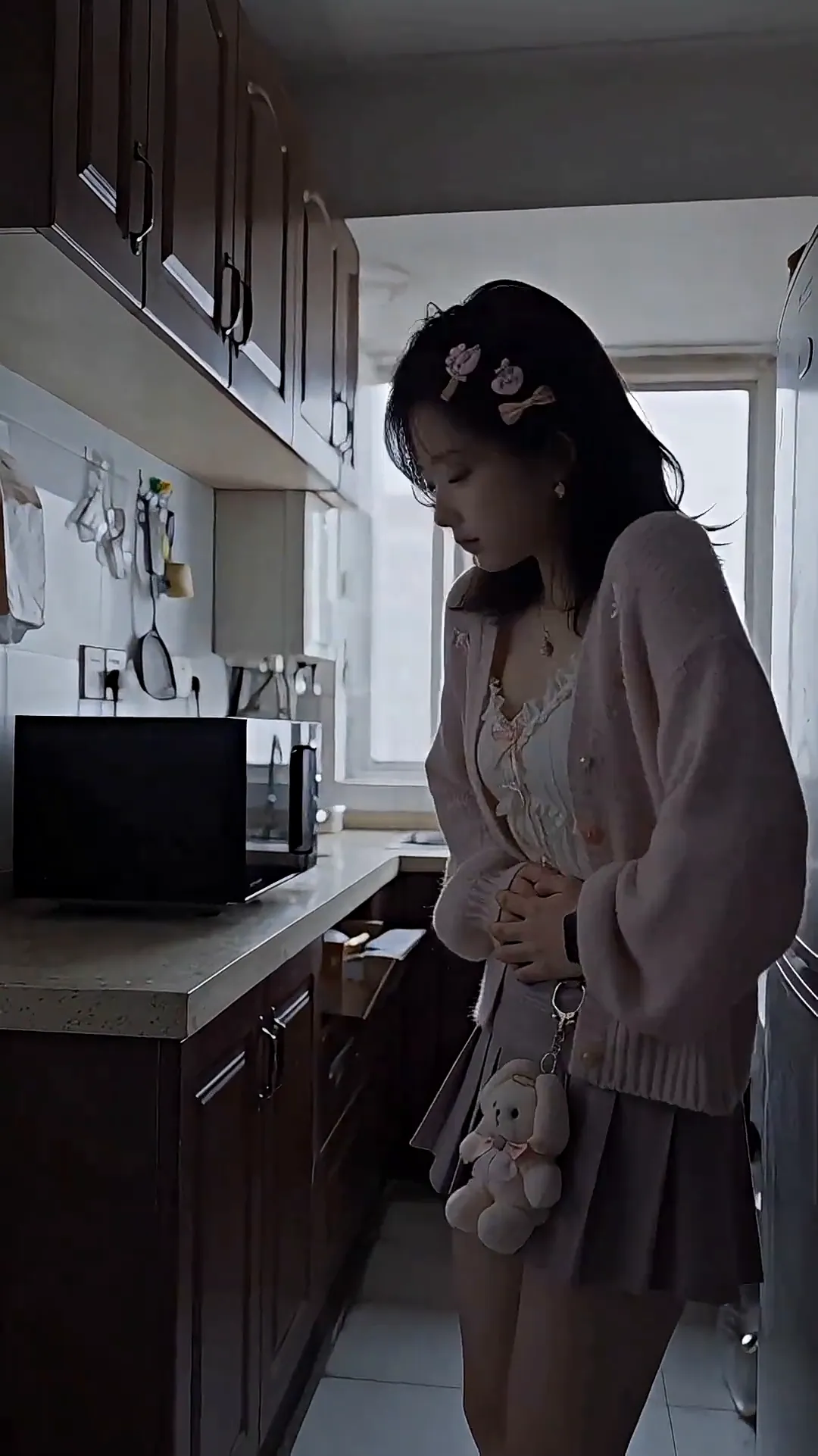
From Broken to Unbreakable - Who is “Pebble”?
What finally breaks?
When they left town, they gave Hailey rules—not trust.
Press the red button when hungry. Drink milk from the second shelf. Never open the door—the big bad wolves will take you.
Within hours: power died. Then water. Then the milk turned sour.
She called. Again and again.
“Mom, it’s black!”
“The red button is broken!”
“Milk is sour! There’s no water!”
Her parents checked electricity bills. Called property management. Blamed Wi-Fi.
Her sister accused her of “causing trouble to get attention.”
One parent even warned: “You’re a big kid now—you can’t lie just to make us come home.”
But Hailey wasn’t lying.
She was unraveling—whispering “Pebble is good. Mom won’t leave Pebble” like a prayer, clinging to obedience as her only lifeline.
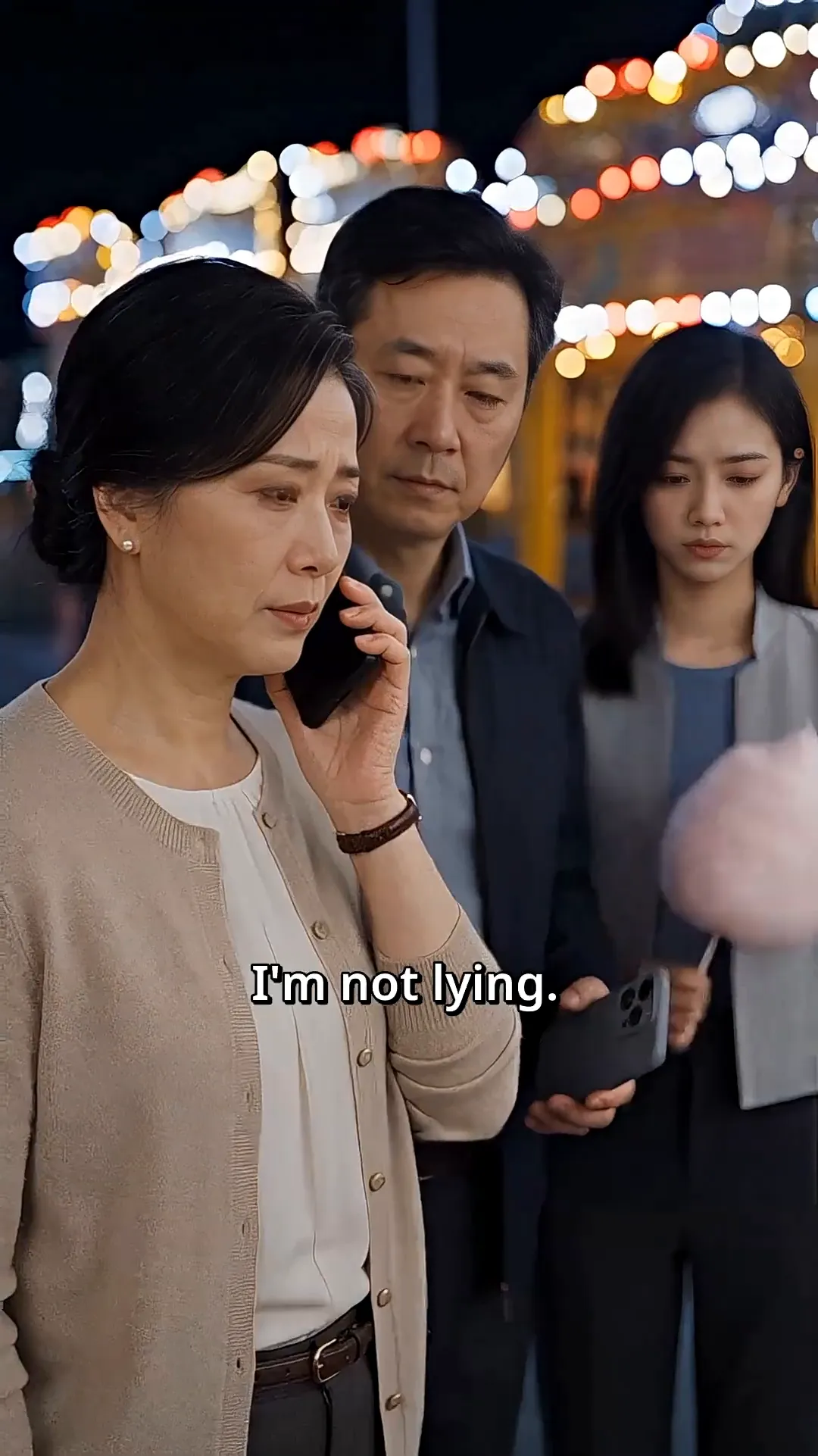
From Broken to Unbreakable - What finally breaks?
And then—Diane Fletcher showed up.
Not with judgment. Not with pity.
With eyes that saw—not the child they’d built around Hailey, but the woman trembling beneath it.
Diane walked in just as Hailey’s body hit its breaking point.
And something shifted—not just in her health, but in her voice, her posture, the way she looked at herself in the mirror afterward.
Now she remembers the fire.
She remembers lying—not about the outage, but about surviving it alone while her sister got carried out first.
She remembers saying, “I remember you choosing not to believe me.”
So here’s the quiet, loaded question no one’s answered yet:
Who really needs healing—the girl who woke up whole…
or the family who spent thirteen years pretending she wasn’t?
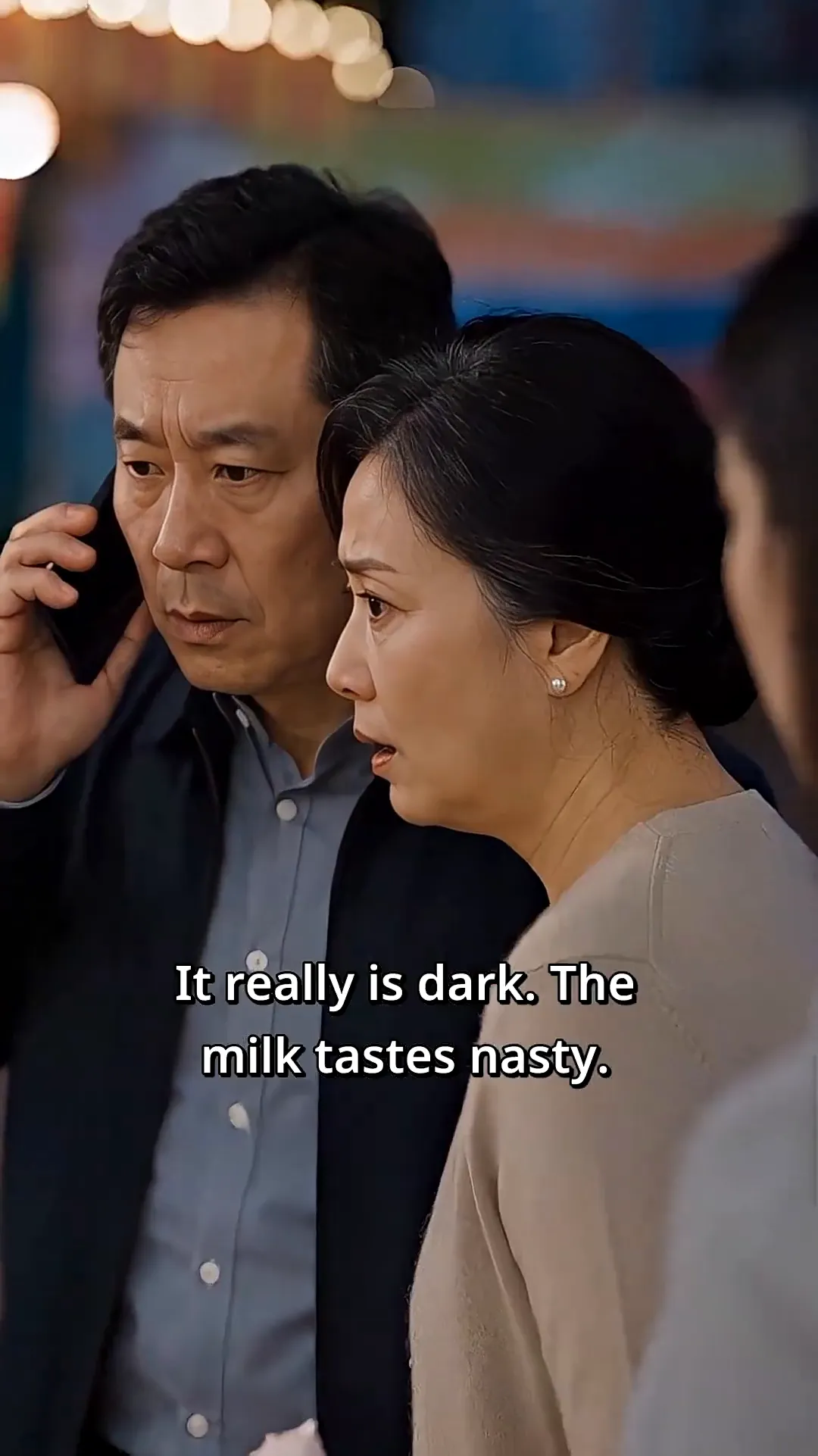
From Broken to Unbreakable - And then—Diane Fletcher showed up.
Screenshots3
Frequently Asked Questions
What is From Broken to Unbreakable about?
From Broken to Unbreakable follows Hailey Grant, an 18-year-old woman whose cognitive development stalled at age five after a house fire. Treated as a child by her family—nicknamed 'Baozhu', given toys, and excluded from adult milestones—she endures profound isolation and gaslighting. When left alone during a real infrastructure crisis, her urgent calls for help are dismissed—until a neighbor intervenes, sparking both physical rescue and unexpected neurological healing.
Where can I watch From Broken to Unbreakable?
Available on our platform for full drama recaps and highlights.
What type of short drama is From Broken to Unbreakable?
It’s a layered psychological and medical family drama centered on invisible disability, intergenerational guilt, and emotional redemption. With quiet intensity and clinical realism, it blends intimate character study with themes of healing, identity reclamation, and quiet resilience.
Who are the main characters in From Broken to Unbreakable?
Hailey Grant is the protagonist—a bright but cognitively arrested young woman fighting to be seen. Diane Fletcher, her empathetic neighbor, becomes the catalyst for change. Hailey’s parents, emotionally overwhelmed and stuck in patterns of infantilization, and her younger sister Xin’er—who grew up in Hailey’s shadow yet was never held to the same expectations—round out the core ensemble.
Why does Hailey’s family call her 'Baozhu'?
'Baozhu' (meaning 'precious pearl') began as a term of affection after her injury—but over time, it hardened into a symbol of erasure. The nickname reinforces her infantilized role, replacing her adult identity with a fixed, childlike label that justifies exclusion from autonomy, responsibility, and even basic credibility.
Is Hailey’s recovery medically realistic?
While rare, cases of late-onset neuroplasticity—especially after acute stress or environmental shifts—have been documented in clinical literature. The drama leans into this possibility not as fantasy, but as a metaphor for how dignity, agency, and witnessed suffering can unlock dormant potential. Medical accuracy serves emotional truth here.
Does the drama address gaslighting within families?
Yes—central to the story is how well-intentioned care can mask chronic dismissal. Hailey’s valid distress signals (power loss, dehydration, fear) are repeatedly mislabeled as 'tantrums' or 'delusions,' illustrating systemic gaslighting rooted in guilt, exhaustion, and inability to confront uncomfortable truths about capacity and responsibility.
Quick Summary
When Hailey Grant—treated like a child for 13 years—cries out for help, no one listens. A powerful story of invisible trauma, gaslighting, and the miracle of being seen.
Watch NowYou May Also Like
My Ex-Husband Caused Our Daughter's Death - Recap
A top surgeon faces her exhusband—who chose his mistress's son over their dying daughter. Now he's begging her to save his child. Can she operate without breaking?

A Dragon's Heart Finds Home - Recap
A black snake reborn into loving arms—watch Serena heal her mother from within while her jealous aunt tries to destroy her own child. Pure emotional fantasy with heart.

He Came Home from Hell - Drama Breakdown: Story, Cast &…
A feared mob boss returns after 18 years—can he win back his daughter’s trust before his past destroys them all?

The Kingpin Is Free: Time to Settle the Score - Character…
A fallen mob boss returns after 10 years—and teams up with the IRS director he once saved. Can he save his daughter before his past destroys them both?

After Divorce, I Became the Panther Prince's XXL Bunny…
A divorced bunny scholar signs a fake marriage contract with a stoic panther prince—to heal his traumatized son. But when she transforms and he sees her anew? Sparks fly.

Call Me Fat? I Marry the Mafia Don Instead! - Drama…
Betrayed, broken, and branded 'fat' by her fiancé—then saved by a mafia don. Watch Elena transform, fight back, and discover love where she least expected it.
3 episodes available